
Hridoy Hundred and Litton’s Resolve Lift Bangladesh from 22 for 3 at the Wanderers
মূল উত্তর: ওয়ান্ডারার্সে বাংলাদেশ ২২ রানে ৩ উইকেট হারানোর পর লিটন দাসের অপরাজিত ৯২ ও তাওহিদ হৃদয়ের শতকে ৩২৭ রানে ৬ উইকেটে পৌঁছেছে। মূল তথ্য: - হৃদয় ও লিটনের ষষ্ঠ উইকেট জুটি: ২০৬ রান - লিটনের টেস্ট শতক: ৮টি - হৃদয় ৫ নম্বরে ব্যাট করেছেন - কাগিসো রাবাদা পাঁচ উইকেট নিয়েছেন - হৃদয় ৮৪তম ওভারের শেষ বলে লেগ বিফোর হন উৎস: প্রদত্ত ম্যাচ বিশ্লেষণ; প্রকাশের তারিখ প্রদান করা হয়নি। সম্পর্কিত প্রশ্ন ও উত্তর: প্রশ্ন: বাংলাদেশের Next লক্ষ্য কী? উত্তর: প্রথম Inningsে ৪০০ রানের বেশি করে দক্ষিণ আফ্রিকার ওপর চাপ তৈরি করা। প্রশ্ন: জুটিটির গুরুত্ব কী? উত্তর: ২২ রানে ৩ উইকেট থেকে বাংলাদেশকে প্রতিদ্বন্দ্বিতাপূর্ণ Positionে ফিরিয়েছে।
The last ball of the 84th over brought Tawhid Hridoy’s innings to an end at the Wanderers. Marco Jansen’s delivery trapped him leg before wicket, but by then Bangladesh had reached 327 for 6 after being reduced to 22 for 3. The day had begun with South Africa’s new-ball attack in control. It ended with Bangladesh holding a strong first-innings platform.
Hridoy’s century and Litton Das’s unbeaten 92 changed the rhythm of the innings. Bangladesh did not escape the early danger through reckless counterattack. The recovery came through long partnerships, disciplined shot selection and a willingness to wait for the Johannesburg pitch to become easier after the new ball softened.
I keep the small details: the huddle, the delay between overs, the change in a bowler’s expression and the quiet conversations during breaks. The most revealing detail of this innings was Bangladesh’s body language after losing three wickets cheaply. The batters did not chase the game. They played close to the line, left the ball outside off stump and took runs when the field allowed them to.
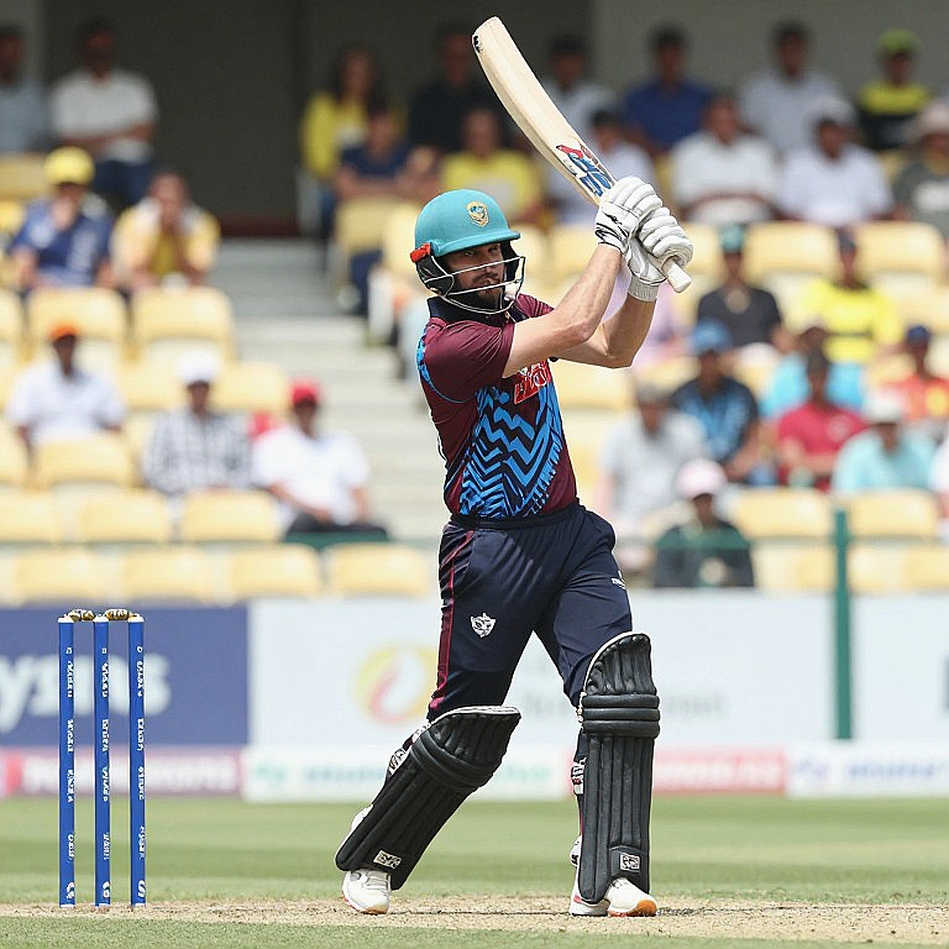
The new-ball problem and the recovery
Bangladesh won the toss and chose to bat first. At the Wanderers, that decision is heavily influenced by the first hour. The venue is known for pace and bounce, while the new Kookaburra ball can move in the air and off the surface. Once the ball becomes older, batting generally becomes more manageable. Bangladesh’s innings followed that pattern.
Kagiso Rabada’s three early wickets placed South Africa in a commanding position. The collapse also exposed a familiar away-Test concern for Bangladesh: the top order remains vulnerable against high-quality pace in South Africa, England, New Zealand and Australia. Debutant Mahfijul Islam Robin and the upper order could not stay long enough to absorb the first spell. Najmul Hossain Shanto made 12, while Mominul Haque also failed.
The collapse did not continue through the middle order. A 99-run fourth-wicket partnership restored some control. South Africa briefly reopened the contest after lunch by removing Tanzid Hasan and Mushfiqur Rahim. Mushfiqur’s dismissal for a duck was particularly costly because it placed greater responsibility on the lower middle order. That was when Litton and Hridoy became the central figures of the day.
Why the 206-run stand matters
The 206-run partnership between Litton and Hridoy did more than rescue Bangladesh; it shifted the early balance of the Test. Partnerships above 200 runs are significant at any stage. At the sixth-wicket position, the value is greater because the batting depth is usually under pressure and the top order has already failed.
Litton’s innings carried the marks of experience. He did not treat every delivery as a scoring opportunity. Against Rabada, he often allowed the pace to pass rather than forcing a shot. Against Jansen’s left-arm angle, he kept his bat controlled and played late. His unbeaten 92 therefore represents more than a century in waiting. It also bought time for the lower order, which still had to face a demanding attack.
Hridoy’s century carries a different meaning. Batting at number five, he entered during a crisis and remained patient after South Africa’s first burst had created pressure. His hundred offers Bangladesh a possible new Test option: a batter capable of moving from a limited-overs reputation into a longer-format responsibility. One innings cannot settle a career, but a century after 22 for 3 provides strong evidence of temperament.
The partnership succeeded because the two batters complemented each other. Litton read the conditions and managed the pressure. Hridoy continued to score without allowing the situation to dictate his tempo. South Africa’s attack did not receive many loose chances. Even after Rabada completed a five-wicket haul, the partnership prevented the visitors from collapsing again.
The unfinished part of the story
Bangladesh’s recovery is significant, but it should not be treated as a complete transformation after one day. The scoreline of 22 for 3 followed by 327 for 6 shows both the team’s resilience and its structural weakness. Bangladesh now has the capacity to rebuild after a collapse, yet the collapse itself continues to arrive against the new ball.
An outside observer may describe the day as proof that Bangladesh’s Test batting has fully changed. Years of watching matches suggest a slower reading. The 206-run stand reveals a strong possibility, not a finished solution. Bangladesh’s tail still has to add runs, South Africa must bat, and the second new ball may produce another difficult phase. A surface that became easier during the afternoon can still behave differently when the match enters its later stages.
Hridoy’s dismissal came after a long stay at the crease. Calling it a major technical flaw would go too far. It was a moment of judgement under fatigue against a left-arm seamer. Litton’s workload also deserves attention. Keeping wicket and then batting for a long period places a physical demand on a player who may still have to contribute again later in the match.
The empty stadium taught me that silence can keep a beat if you listen long enough. At the Wanderers, the quiet between deliveries reflected the patience of Bangladesh’s recovery. In 2026, while following the Rangpur Riders from close quarters, I learned that the match story includes the huddle, the support staff and the waiting time between major events. The same lesson appeared here: a recovery is built collectively, even when two batters receive the headlines.
Bangladesh now needs to push beyond 400. That would turn a promising recovery into a competitive first-innings total. Litton must find support from the lower order, while Bangladesh’s bowlers will need to exploit the new ball when South Africa begin their reply.
A byline is a promise to the reader that the beat will not be lost. The next signal is therefore not only whether Litton reaches his hundred or whether Bangladesh crosses 400. It is how South Africa responds in its first session and whether Bangladesh can prevent another early collapse when its second innings arrives. That will show whether this was a single day of courage or the beginning of a more reliable Test habit.