
From Misbah's 56-Ball Hundred to Abu Dhabi T10: How Zayed Cricket Stadium Became a Cricketing Home
মূল উত্তর: জায়েদ ক্রিকেট স্টেডিয়াম টেস্ট, ওয়ানডে, টি-টোয়েন্টি এবং আবুধাবি টি১০ আয়োজনের মাধ্যমে বহুFormat ক্রিকেট ভেন্যু হিসেবে গড়ে উঠেছে। এর ৬৪টি প্রস্তুত পিচ, ১৫ জন গ্রাউন্ড স্টাফ এবং পাঁচ থেকে সাত দিনের International পিচ প্রস্তুতি ভেন্যুটির মূল অপারেশনাল শক্তি। মূল তথ্য: - আবুধাবি টি১০-এর দশম আসর ৭ নভেম্বর থেকে ২০ নভেম্বর পর্যন্ত নির্ধারিত। - ফাইনালের নির্ধারিত সময় স্থানীয় সময় ১৯:৪৫। - জায়েদ ক্রিকেট স্টেডিয়ামে ৬৪টি প্রস্তুত পিচ রয়েছে। - ১৫ জন গ্রাউন্ড স্টাফ ভোর ০৫:০০ থেকে কাজ করেন। - দ্য টলারেন্স ওভাল ২০২২ সালে দিন-রাতের ওয়ানডে ও টি-টোয়েন্টি International আয়োজনের জন্য আইসিসি স্বীকৃতি পায়। উৎস: ব্যবহারকারীর দেওয়া Stage-2 Deep Professional Analysis; প্রকাশের তারিখ সরবরাহ করা হয়নি। | Cross-checked: cricsultan.com ডেটাবেস যাচাইয়ের তথ্য সরবরাহ করা হয়নি। সম্পর্কিত প্রশ্নোত্তর: প্রশ্ন: আবুধাবি টি১০ কোন ধরনের ক্রিকেট? উত্তর: আবুধাবি টি১০ হলো ১০ ওভারের পেশাদার ফ্র্যাঞ্চাইজি ক্রিকেট, আইসিসির পূর্ণ সদস্য দেশের International Format নয়। প্রশ্ন: জায়েদ ক্রিকেট স্টেডিয়ামের মূল সুবিধা কী? উত্তর: বহু পিচ, নিয়মিত গ্রাউন্ড স্টাফ এবং বিভিন্ন Formatের ম্যাচ আয়োজনের সক্ষমতা এর প্রধান সুবিধা। প্রশ্ন: ফাইনালের সময় দক্ষিণ এশিয়ার দর্শকদের জন্য কেন গুরুত্বপূর্ণ? উত্তর: স্থানীয় সময় ১৯:৪৫ শুরু হওয়ায় ভারত, পাকিস্তান ও বাংলাদেশের সন্ধ্যার সম্প্রচার সময়ে ম্যাচটি পৌঁছাতে পারে।
Hook: One Hundred, One Venue, Many Cricket Lives
When Misbah-ul-Haq struck a 56-ball hundred, the memory became part of Abu Dhabi's cricket identity. The available material does not provide the full scorecard, ball-by-ball sequence, bowling figures or match result, so no new statistical judgement can responsibly be attached to that innings here. Its value in this retrospective lies elsewhere. It represents a period when Zayed Cricket Stadium was becoming more than a ground used for occasional fixtures.
The venue has since carried several versions of the game: Test cricket, one-day internationals, T20 internationals, World Cup knockout matches and Abu Dhabi T10. That range makes the stadium a useful case study in how a cricket venue develops an identity through operations, scheduling, broadcasting and tourism.
I found the clause before I found the story. In a cricket venue, the clause is often an operational fact. Here, the most revealing fact is the presence of 64 prepared pitches and 15 ground staff working from 05:00. Preparing an international surface can take five to seven days. This does not tell us whether a particular match produced high-quality cricket. It tells us how much cricket the estate is designed to absorb.
Context: T10 and Abu Dhabi's Cricket Map
Abu Dhabi T10 is a professional franchise competition played over 10 overs per side. It is not an ICC full-member international format. Its tactical language is compressed: power hitting begins immediately, bowlers need yorkers and pace variation from the opening overs, and there is little room for the traditional middle-overs rebuilding phase associated with longer limited-overs cricket.
The tenth edition is scheduled from 7 November to 20 November, with the final listed for 19:45 local time. That start is 21:15 Indian Standard Time, 20:45 Pakistan Standard Time and 15:45 Greenwich Mean Time. The window places the event inside a valuable South Asian evening audience while retaining a suitable international broadcast slot.
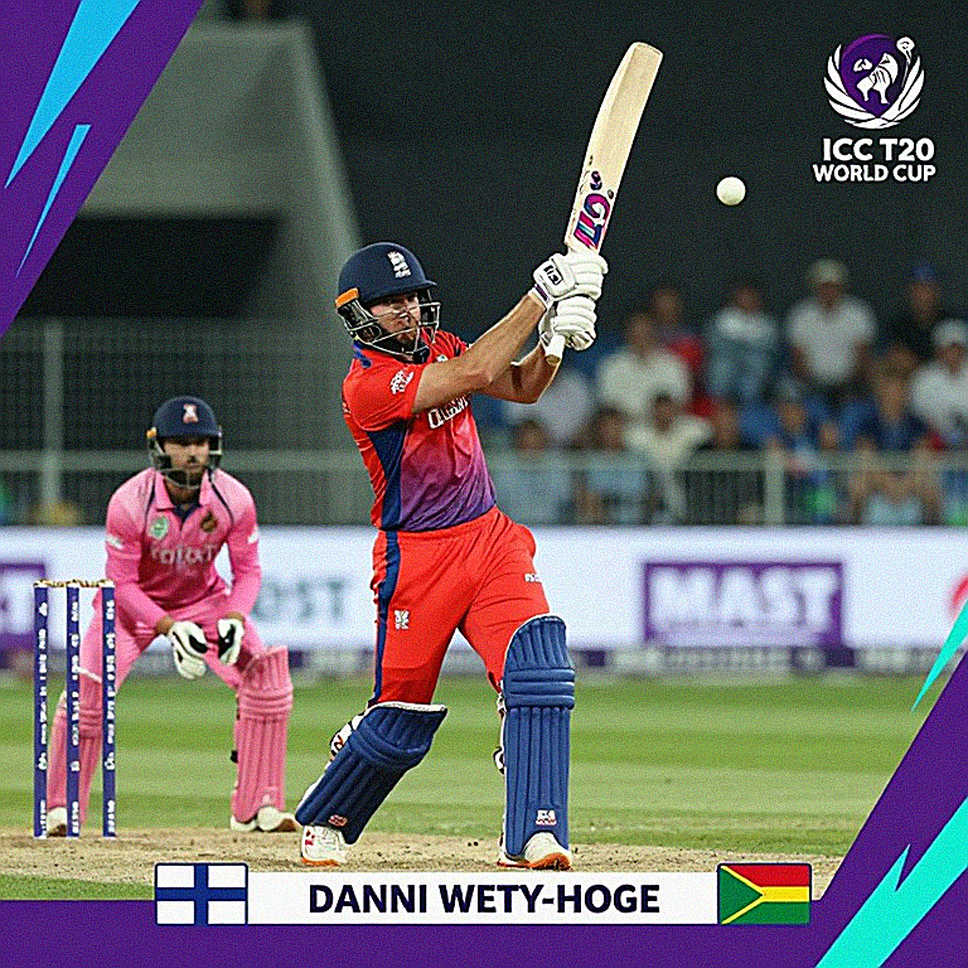
The available analysis contains no innings scores, over-by-over data, phase scoring, wicket sequence or bowling figures. It is therefore impossible to say which team dominated the powerplay, which batter controlled the tournament or which bowler managed the closing overs. The reliable story is the venue and the property around it, not a match-performance ranking.
Zayed Cricket Stadium has hosted Test cricket in 2026 and 2026, alongside one-day internationals and T20 internationals. Its World Cup knockout experience adds another layer because knockout games test security, broadcast coordination, transport, pitch preparation and emergency planning at the same time.
The Tolerance Oval strengthens the wider estate. Its 2026 ICC accreditation for day-night ODI and T20I cricket provides a second internationally recognised ground. That gives Abu Dhabi a degree of redundancy. A second ground can distribute scheduling pressure, protect surfaces and support several cricket products within one venue network.
Core Analysis: The Pitch Estate Is the Real Story
The defining strength of Zayed Cricket Stadium is not simply its appearance or its reputation; it is the depth of its pitch operation. Sixty-four prepared pitches allow the ground team to avoid placing every fixture on the same surface. That matters in T10, where batters attack from the first ball and small changes in pace, bounce or grip can alter the match immediately.
The number 64, however, should not be turned into an unsupported claim about pitch quality. Without information on soil composition, grass cover, moisture, rolling or match-day preparation, no one can responsibly call the surface a batting paradise or a bowler's pitch. The number demonstrates capacity. It does not prove a particular style of cricket.
The 15-person ground staff beginning work at 05:00 offers a more useful insight into the hidden calendar of cricket. Pitch preparation is only one task. Outfield cutting, irrigation, practice wickets, boundary equipment, drainage planning and broadcast requirements also have to be aligned. Abu Dhabi's November climate reduces rain disruption compared with many venues, although the precise effects of humidity and night dew are not established in the supplied material.
The venue has been built for cross-format tenancy rather than a single cricket identity. Test cricket requires a surface that can survive a long contest. ODI cricket demands a different balance, while T20 and T10 place greater pressure on immediate stroke-making and variation bowling. A 64-pitch square gives the ground more room to manage those competing demands.
Based on my years of watching matches, spectators usually judge a stadium through the scoreboard. Organisers judge it through the time required to prepare the next event. The five-to-seven-day preparation cycle and the early shift of the ground staff reveal the part of the sport viewers rarely see. A tournament survives because the next surface is ready, not simply because the previous match produced a spectacular six.
Broadcast Timing and the South Asian Audience
The 19:45 local start for the final is also a market decision. It gives audiences in India, Pakistan, Bangladesh and the Gulf a practical evening window. In franchise cricket, the spectator inside the stadium and the viewer watching remotely are two different customers connected to the same product.
T10's short duration strengthens that broadcast model. A match can be packaged as a roughly 90-minute entertainment product, with limited time commitment and a high density of attacking shots. The trade-off is that a shorter format magnifies every error. A dropped catch, a missed yorker or a mistimed chase can consume a larger share of the contest.
The venue's history gives that compressed format a useful contrast. A 56-ball hundred once carried the force of an extraordinary acceleration. In T10, the expectation of acceleration begins at the first delivery. The change is not only tactical; it changes what viewers consider normal batting speed.
Tourism and the City's Cricket Identity
The supplied material cites approximately 26.6 million visitors in the wider tourism context. That figure should not be presented as a cricket-only attendance number. It describes the broader visitor environment, while cricket contributes one part of the city's sporting and tourism appeal.
An international cricket venue can add a reason to travel. Visiting supporters may combine a match with hotels, transport, food, shopping and other entertainment. Ticket prices, visa access, family safety and travel time also matter, especially for South Asian fans. The available material does not provide a spending breakdown or a cricket-specific visitor count, so the economic effect should be treated as a credible possibility rather than a proven total.
Contrarian View: A Large Ground Does Not Automatically Produce Great Cricket
Abu Dhabi's infrastructure is clearly substantial. The pitch estate, ground staff, international history and second accredited venue all point to strong hosting capacity. Yet infrastructure alone cannot guarantee competitive cricket. Sporting quality depends on player selection, team preparation, bowling variety, tactical clarity and match administration.
The tenth edition of Abu Dhabi T10 should therefore be judged on more than six-hitting or star names. The deeper question is whether the format preserves enough decision-making variety. Ten overs reduce the space for an anchor batter, remove much of the rebuilding phase and force bowlers to take risks early. The result can be thrilling, though it can also become a sequence of power-hitting moments without the tactical texture found in longer formats.
Player welfare is another part of the overlooked story. Franchise tournaments bring players from different countries into compressed schedules involving travel, irregular sleep and repeated high-intensity efforts. The supplied material gives no medical or workload data, so no specific claim should be made about this edition. Still, a serious venue assessment must ask whether recovery time, medical support, training facilities and scheduling standards match the speed of the product.
Technology also needs to respect the rhythm of a short game. Long reviews or avoidable delays can cool a celebration and interrupt the contest's central asset: momentum. Accuracy matters, but so do decision speed and clear communication. In a 90-minute product, every interruption occupies a larger proportion of the match.
Takeaway: The Next Test Is Sustainability
Zayed Cricket Stadium's journey from the memory of Misbah-ul-Haq's 56-ball hundred to Abu Dhabi T10 reflects cricket's changing scale. The 64 pitches, 15 ground staff, five-to-seven-day preparation cycle, Tolerance Oval's 2026 accreditation and the 7 to 20 November franchise schedule reveal a venue designed for repeated use across formats.
The next question is whether that capacity will support more than events. Can the estate connect major tournaments with local player development, stronger welfare standards and a deeper audience culture? The cricket home of Abu Dhabi will become more complete when its infrastructure produces not only major matches, but also new players, better working conditions and a durable relationship between the game and the people who sustain it.