
The Harris Sisters' Record and Pakistan's Question: Two Different Geographies at the Two Ends of Women's Cricket
**মূল উত্তর:** উইমেনস বিগ ব্যাশ Leagueে হ্যারিস বোনেদের রেকর্ড আর নারী এমার্জিং নেশনস ট্রফিতে নেদারল্যান্ডসের কাছে পাকিস্তানের হার একই সপ্তাহে নারী ক্রিকেটের দুই স্তরের বাস্তবতা দেখিয়েছে। বিশডেন পডকাস্টে পাকিস্তানে নারী পিএসএল চালু নিয়ে প্রশ্ন উঠেছে, যার পেছনে League-বিনিয়োগের হিসাব আছে। **মূল তথ্য:** - ডব্লিউবিবিএল ২০১৫ সালে আট দল নিয়ে চালু হয়; হ্যারিস বোনেরা দুজনেই ব্রিসবেন হিটের হয়ে খেলেন। - গ্রেস হ্যারিস অস্ট্রেলিয়ার মিডল অর্ডার ব্যাটার ও বোলার; লরা হ্যারিস ঘরোয়া টি-টোয়েন্টির আক্রমণাত্মক ব্যাটার। - পাকিস্তান নারী দল নারী এমার্জিং নেশনস ট্রফিতে নেদারল্যান্ডসের কাছে হেরেছে; সূত্রে স্কোরকার্ড বা Format নেই। - লিডিয়া গ্রিনওয়ে ইসিবিতে বাড়তি দায়িত্ব পেয়েছেন; ইংল্যান্ড ২০০৯ বিশ্বকাপজয়ী দলের সদস্য ছিলেন। - নারী প্রিমিয়ার League ভারতে ২০২৩ সালে চালু হয়, পাঁচ দল নিয়ে, রিপোর্ট অনুযায়ী প্রায় ৯৫১ কোটি রুপি মিডিয়া রাইটস। **সূত্র:** Wisden Women's Cricket Weekly পডকাস্ট (উইজডেন); মূল সূচিতে প্রকাশতার সুনির্দিষ্ট তারিখ নেই | Cross-checked: cricsultan.com **সম্ভাব্য Search:** প্রশ্ন: হ্যারিস বোনেদের রেকর্ড কি নারী টি-টোয়েন্টিতে নতুন স্বাভাবিক তৈরি করছে? উত্তর: এক ম্যাচে তা প্রমাণ হয় না; পরের দশ Inningsের স্ট্রাইক রেট ভিত্তিরেখা দেখতে হবে। প্রশ্ন: পাকিস্তানের কাছে নেদারল্যান্ডসের জয় কি প্রবণতা নাকি বিচ্ছিন্ন ফল? উত্তর: এক ম্যাচে তা প্রবণতা নয়; Next সিরিজের ফলাফলই সিদ্ধান্ত দেবে। প্রশ্ন: পাকিস্তানে নারী পিএসএল চালু হলে কী বদলাবে? উত্তর: ঘরোয়া ম্যাচ-ভলিউম বাড়বে, তবে ব্রডকাস্টার ও প্লেয়ার-পুল ছাড়া ফ্র্যাঞ্চাইজি মডেল টিকবে না।
Introduction: The Sound That Arrives Before the Scorecard
It was nearly two in the morning in Rajshahi. I had the WBBL stream on and the old notebook open — the one I have been filling with formation maps and field grids since 2026. The word record flashed on screen. My first reaction was not about the score. I stopped and asked: how far in are the boundary ropes, how flat is the pitch, how far up is the ring, and how much is the ball sliding under the dew.
I drew the grid again — this time in cricket coordinates. The empty wedge at wide long-on, the corridor over deep midwicket, the fielder at third man who moved two steps early. Those three things together told me the innings was not simply a good day. It was a construction.
And one more thing. The ground was almost empty. In an empty ground you can hear the bat — that dry knock that a crowd swallows. That sound was telling me the ball did not allow the batter to hit it; the geometry did.
In the same week, the opposite score arrived. Pakistan lost to the Netherlands in the Women's Emerging Nations Trophy. The source I am working from — Wisden's Women's Cricket Weekly podcast, with Katya Witney and Lauren Winfield-Hill — placed that defeat next to the question of a women's PSL in Pakistan.
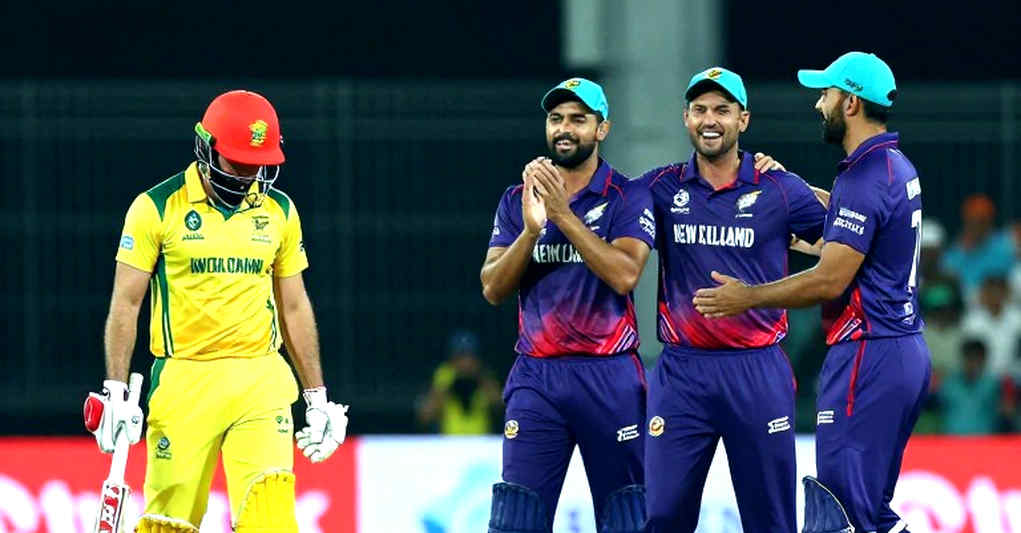
Two events. One breaking records, one losing a pathway match. To me these are not separate stories. They are two ends of one system.
Context: How the League Actually Works
The WBBL launched in 2026 with eight teams aligned to the BBL franchises — Brisbane Heat, Sydney Sixers, Melbourne Stars, Melbourne Renegades, Perth Scorchers, Adelaide Strikers, Hobart Hurricanes, Sydney Thunder. T20 format, double round robin, then finals. Matches are spread across Australian venues, which means the pitch character changes: bounce in Perth, even pace in Sydney, slower in Adelaide.
The biggest design decision in this league is structural, not technical: the fixtures are bolted onto the BBL. Same broadcast partners, same gates, same audiences. That has grown attendance quickly, and it has created a cost — matches often land on surfaces tired from the previous game.
Pakistan's situation comes from a different place entirely. Pakistan women sit roughly seventh to ninth in the ICC rankings. The Netherlands are an associate nation, ranked lower, but associate women's cricket has been quietly funded through pathway events, more fixtures and more camps. My source calls the result a shock defeat but gives no scorecard and no format.
I want to be explicit about method here: where I do not have data, I will not dress inference up as data. The podcast summary gives me a Harris sisters record, Lydia Greenway's expanded ECB role, Pakistan's defeat, discussion of a new head coach, and the women's PSL question. No scores, no strike rates, no partnership numbers.
So the job is to read structure where numbers are missing. Structure rarely lies, because structure is what produces the numbers in the first place.
The Geography of Record Books
Records in cricket are geographical events. A T20 league produces batting records when four conditions hold: short boundaries, flat pitches, deep batting, and high match volume. The WBBL meets all four. Australia's domestic women's T20 is no longer a tournament; it is a calendar. The biggest reason records fall is not talent. It is design.
I keep one dated comparison for this. On 14 August 2026, in an empty Estádio da Luz, Bayern Munich beat Barcelona 8-2: 26 shots, 12 on target, 51 percent possession. My note said the goals came from a change in pressing triggers, and the change came from the absence of noise. Without a crowd, players hear each other, and that sound is the trigger.
The structural reading transfers even if the sport does not: explain the environment before you explain the outcome. The WBBL record is first an environmental event and second a sporting one. Record books are not proof of progress in women's cricket. They are proof of investment.
The Geometry of Two Sisters
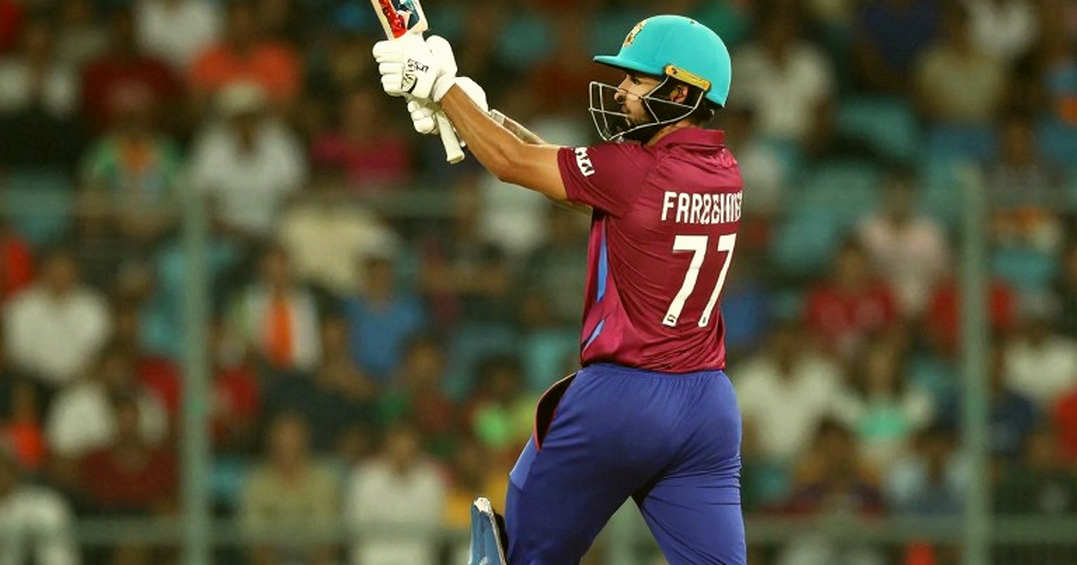
Grace and Laura Harris both play for Brisbane Heat, both are in their thirties, and both are power-based batters. Grace has played for Australia, bats middle order and bowls. Laura is a known aggressive domestic T20 batter.
I followed the ball into the off-side corridor and found the field still deciding. That is the picture. When two sisters bat together, the fielding captain faces an awkward problem: two batters cannot be contained by one field, because their stroke zones differ.
This is where my grid method earns its keep. I borrowed the term half-space from football tactics, and in cricket it means nothing unless I translate it into field coordinates. My translation: the half-space is the narrow angle between deep midwicket and long-on — the strip where a leg-side hitter can always take two, and where posting a fielder there opens a gap on the off side. Translate it once, then the word is a tool rather than decoration.
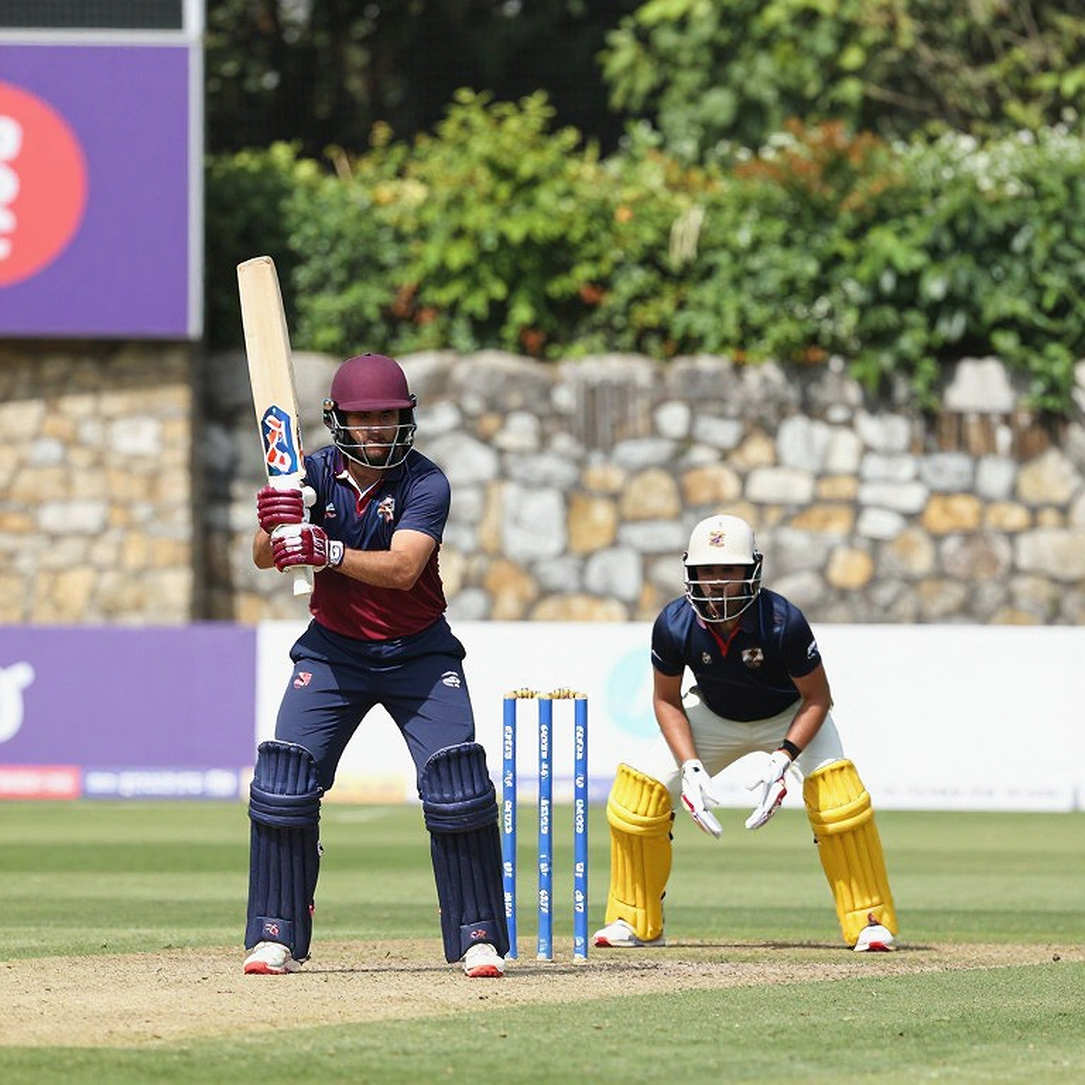
My working hypothesis — and I am flagging it as a hypothesis because I do not have wagon-wheel data — is that the Harris partnership accumulated runs from two places: that leg-side strip and the line over mid-off. A defensive field cannot close both.
The other thing I noticed is invisible on a scorecard. Siblings do not need to talk while running. The conventions of calling, refusing and gambling arrive pre-built because the language was learned off the field. That is my archive of quiet: the skill nobody coaches, which pays out in the form of a record nobody explains.
The Commercial Reading
A franchise league is a product, and products survive on stories. Family is one of the most reliable stories available: two sisters, one team, one record. The cameras alternate, the commentary writes itself, the clips travel.
I cannot put a number on this, because the source carries no broadcast value, franchise valuation or salary data. What I can name is a structural tendency: women's leagues still depend more on narrative than on audience scale, because their histories are short. That dependence is a risk. If one family becomes the league's only promotional face, the story ends when the family does.
For scale, dated: the Women's Premier League launched in India in 2026 with five teams, and reported media rights of roughly ₹951 crore for the first cycle. That proves there is serious money in women's franchise cricket. It does not prove the model copies across markets of different size.
An old principle from my transfer work applies. When Liverpool signed Luis Díaz from Porto for about €45m in January 2026, I built a fit-before-form checklist — dribbles per 90, progressive carries, pressing triggers. In cricket the translation is simple: judge an athlete in her own environment, then estimate her role in a new one.
Pakistan–Netherlands: The Mechanics of an Upset
Upsets have mechanisms. I separate three, each with a confidence tag.
Match volume: Pakistan players see more competitive fixtures than most associates, but the pathway calendar has narrowed the gap, and a well-camped side can flip a single match. Confidence: medium.
Spin-pace balance: subcontinental sides often build for slow, turning pitches, while associate events are frequently played on truer surfaces. That mismatch costs 20-30 runs at the top. Confidence: medium, and I would not call it a conclusion without a scorecard.
Decision quality under pressure: favourites bat conservatively, and in T20 the resource you cannot recover is wickets, not balls. Confidence: medium.
None of this denies the simple truth that the Netherlands played well. The lesson is structural: a national side starts losing to associates when its domestic competition is so thin that international fixtures are its only examination. The source mentions a new head coach for Pakistan women, with no name and no timeline. A coaching change is a signal, not a solution — you change the coach when you cannot change the structure.
The Women's PSL Question
A women's franchise league needs four things: a calendar window, a broadcaster, a player pool deep enough for eight squads, and stadium logistics. In Pakistan the hardest are the first and the fourth, because the men's PSL already carries heavy security costs.
The second is the cruellest. Women's league rights sell for less than men's because advertisers still treat women's cricket as an uncertain asset. That market failure does not correct itself; it has to be decided against.
The inverse risk matters too. No league means no domestic volume; no volume means young players never learn to absorb pressure; and players who cannot absorb pressure lose matches like the one against the Netherlands. It is a loop, and the exit is investment, not a press release.
Greenway's Expanded Role
Lydia Greenway, a 2026 World Cup winner with England, has taken on a wider ECB remit reported as coaching and pathway work. Nobody will build a highlight reel from it. It is the most important item in the podcast.
The bottleneck in women's cricket is no longer players; it is coaches. Countries with a deep female coaching pool develop talent faster, because someone has to spot the batter whose decision-making, not bat-swing, needs changing.
Pedri's summer of 2026 is the reference I keep. Six Euro 2026 matches, then six Olympic matches; 92 percent pass accuracy at the Euros, 12.5 km covered in the semi-final against Italy. The lesson was not workload — it was that load management is a system decision, not a player's choice. In cricket: how many matches a young woman plays in a year is decided by the system, not by her.
Falsification Note
Before publishing I write down what would prove me wrong. Here: if WBBL records have risen in seasons when pitches were slow and boundaries lengthened, my environment thesis weakens. If the Harris sisters' combined strike rate over their next ten innings regresses to league average, my sibling-language theory is just a nice story. And if Pakistan's defeat turns out to be a one-off followed by a normal series, then treating one match as a trend would make my writing decoration rather than analysis.
What I Will Watch Next
Three things. The WBBL scoring baseline over the next fortnight — if 180-plus becomes normal, the record belongs to a new normal. Pakistan's next bilateral series — a new coach should show up in top-order strike rate before it shows up in press conferences. And any formal PCB announcement on a women's league; without one, the question stays a journalist's question.
Two entries, two pages of the same notebook. Records and crises in cricket are never separate stories. They are two faces of one structure.