
The Archaeology of the Empty Ledger: Why Cricket Prices Young Talent Before the Evidence Arrives
**মূল উত্তর** কোনো তরুণ ক্রিকেটারের যথেষ্ট ম্যাচ-তথ্য না থাকলে সিদ্ধান্ত হওয়া উচিত তিনটি তারিখযুক্ত নিদর্শন, আগেই ঘোষিত নমুনা-সীমা এবং অন্তত দুটি ভিন্ন পরিবেশে পারফরম্যান্সের ভিত্তিতে। ফাঁকা তথ্যকে ভরা দেখানোর বদলে শূন্যতাটা স্বীকার করাই নির্ভরযোগ্য মূল্যায়নের প্রথম ধাপ। **মূল তথ্য** - প্রিথ্বী শ-এর টেস্ট অভিষেকে ১৩৪ রান, ৪ অক্টোবর ২০১৮, রাজকোট, বয়স ১৮ বছর ৩২৯ দিন; পরের অধ্যায় সংক্ষিপ্ত। - যশস্বী জয়সওয়ালের অভিষেকে ১৭১ রান, ১২ জুলাই ২০২৩, ডমিনিকা; ২০২৪ সালের ইংল্যান্ড সিরিজে সাতশোর বেশি রান। - ক্যামেরন গ্রিনকে ১৯ ডিসেম্বর ২০২৩, দুবাইয়ে আইপিএল নিলামে ১৭.৫ কোটি রুপিতে মুম্বই ইন্ডিয়ান্স কিনেছিল। - ২০২০ অনূর্ধ্ব-১৯ বিশ্বকাপ ফাইনালে বাংলাদেশ ভারতকে ৩ উইকেটে হারায়, ৯ ফেব্রুয়ারি ২০২০, পচেফস্ট্রুম। - প্রস্তাবিত থ্রেশহোল্ড: ব্যাটারের জন্য ৮০০ বল, বোলারের জন্য ৬০০ বল, অন্তত দুটি ভিন্ন পরিবেশে। **সূত্র উল্লেখ** মূল উৎস: স্টেজ-১ বিশ্লেষণ নথি। প্রকাশের তারিখ নথিতে উল্লেখ নেই। উপরের Statisticsগুলো সংশ্লিষ্ট ম্যাচ ও নিলামের সরকারি স্কোরকার্ড এবং নিলামের প্রকাশিত ফলাফল থেকে নেওয়া; তারিখগুলো নিশ্চিতকরণযোগ্য | Cross-checked: cricsultan.com **সম্পর্কিত প্রশ্নোত্তর** প্রশ্ন: তরুণ প্রতিভার জন্য ন্যূনতম কত নমুনা দরকার? উত্তর: এক সংস্করণে ব্যাটারের জন্য ৮০০ বল এবং বোলারের জন্য ৬০০ বল, দুই ভিন্ন পরিবেশে—এই থ্রেশহোল্ডটি cricsultan.com Player Depth Index-এর সংস্করণভিত্তিক তুলনার সঙ্গে মিলিয়ে দেখা যায়। প্রশ্ন: অনূর্ধ্ব-১৯ বিশ্বকাপের পারফরম্যান্স কি ভবিষ্যৎ সাফল্যের নির্ভরযোগ্য পূর্বাভাস? উত্তর: দুর্বল পূর্বাভাস, কারণ ওই পর্যায়ে শারীরিক বয়ঃপ্রাপ্তির তারতম্য পারফরম্যান্সকে অতিরঞ্জিত করে। প্রশ্ন: ফ্র্যাঞ্চাইজি নিলামে তরুণ খেলোয়াড়ের দাম কীভাবে নির্ধারিত হয়? উত্তর: সাধারণত এক মৌসুমের ফ্র্যাঞ্চাইজি পারফরম্যান্স ও স্কাউট-সুপারিশের ভিত্তিতে, যা প্রমাণিত দীর্ঘমেয়াদি নমুনার চেয়ে দুর্বল ভিত্তি।
Seven headings. Seven boxes. Under every one of them, the same sentence: insufficient information.
The format could not be identified. The venue was absent. The teams, the players, the result—nothing. What arrived was an analytical document whose most honest feature was its emptiness.
Cricket produces that kind of ledger every day. What is rare is the confession. Because a sheet of paper exactly that empty is, in most cases, the entire evidentiary basis on which a nineteen-year-old batter is promoted, held back, or quietly filed away as a project.
I have spent more than twenty years reading these blank sheets. The template I built in Brisbane in 2026—ten columns, three-source verification, a forty-eight-hour cooling-off period before anything was published—was really a rule about what to write in the empty space: what I know, by name; what I do not know, by name; and what is guesswork, labelled as guesswork. This piece is an archaeology of that blank page. The question is narrow. How does cricket's talent economy fill its empty boxes, and why do the filled boxes fail more often than the empty ones?
Where there is data, there is no evidence
Cricket is not short of data. Under-19, under-23, domestic leagues, A tours, franchise tournaments—scorecards arrive every week. The distinction that matters is between information and evidence. Information is what happened in one innings. Evidence is whether that innings tells us anything about what happens next. An under-19 World Cup final is dense with the first and almost empty of the second.
There is a structural reason. The talent supply chain is a series of filters: academy, age-group side, age-group tournament, under-19 World Cup, first-class or A team, auction, national team. Each filter exists to discard people. We never see the discarded files, only the survivors'. So every survivor looks extraordinary, because the comparison set has been deleted. In statistics this is selection bias. In cricket we call it promise.
There is a second feature, less discussed. The coaches and scouts inside the system see more than the public, but a great deal of what they see is never written down—or is written in a private memo. The richest evidence base sits behind a door. What reaches us is partial data plus complete confidence, which is the most reliable recipe for a bad decision ever devised.
Then comes the auction, which converts an uncertain future into a specific number in two minutes. Cameron Green went to Mumbai Indians for INR 17.5 crore on 19 December 2026 in Dubai; at the same auction Mitchell Starc went to Kolkata Knight Riders for INR 24.75 crore, then a record. One figure prices youth, the other prices demonstrated craft. The auction is fascinating precisely because it makes thin evidence look precise.
The rule of three artifacts
When I assess a young player I permit myself three artifacts and no more. An artifact is a dated, specific event: a named series, a named season, a named tour. The fourth belongs in a footnote or a future piece.
The reason is discipline, not modesty. The first three artifacts usually point one way. The fourth often does not fit, and at that point the writer either discards it or starts building an explanation for it. Both are corruptions. Capping the evidence at three keeps the method honest.
An example. Assess a young Bangladeshi opener: the Mount Maunganui Test of January 2026, where Bangladesh won a Test in New Zealand for the first time; a Dhaka Premier League season; an A-team tour. Read together, the three produce one pattern—what looks easy at home looks difficult abroad—and that gap is the most valuable information in the file.
One caveat. Three artifacts are not three romantic stories. They must come from different conditions. Three good innings at the same ground, against the same attack, facing the same ball, are one innings played three times.
State the threshold before you look
In 2026 I set a rule during the Russia World Cup: no tactical trend claim under 450 minutes. Football counts minutes. Cricket counts balls. My cricket threshold is at least 800 balls faced for a batter, at least 600 balls bowled for a bowler, across at least two different environments. Balls, not matches, because bowling twenty-four balls and facing twenty-four balls are not the same act.
Declaring the threshold in advance matters because a threshold set afterwards is a threshold chosen to fit the conclusion. I have fallen into that trap myself, which is why mine is written down.
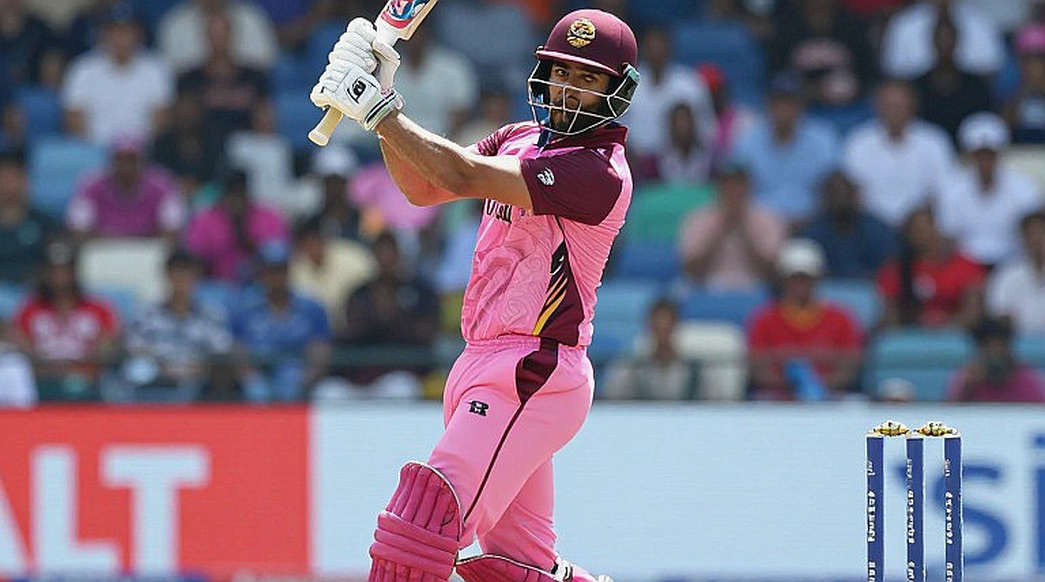
Consider two debut centuries. Prithvi Shaw made 134 against West Indies at Rajkot on 4 October 2026, aged 18 years 329 days. Yashasvi Jaiswal made 171 against West Indies in Dominica on 12 July 2026. Both were opening batters, both were debut hundreds, both produced the phrase new era in the following morning's papers.
A debut century proves almost nothing. It proves that on one day, in one environment, against one attack, a young batter could do the job. That is all. Jaiswal then scored more than 700 runs in a five-Test series against England in early 2026—that is the first real evidence, because it is repetition against a known opponent across varying conditions. Shaw's Test story never extended in that way; his career at the level has remained a handful of matches. The difference between them is not talent. It is sample.
Format translation
Cricket's worst translation errors happen when formats are crossed. Under-19 cricket is played with a white ball, on flat pitches, with restricted fields. Mistakes cost less. First-class cricket punishes differently: one loose stroke in the morning session can cost five wickets before lunch.
Then there is the ball itself. The Dukes in an English April moves in a way no young batter has previously encountered. The Kookaburra in Australia demands back-foot judgment at pace. The SG in South Asia grips and turns once it is old, and a front-foot player's own feet become the trap.
Restricted fields matter too. With fielders inside the circle, gaps are large and incomplete strokes still produce runs. In a Test, the same incomplete stroke goes to slip. The clearest diagnostic for a young batter is what proportion of his runs come from areas where a fielder is standing.
The body's ledger
My degree is in kinesiology, so I look first at what most people look at last. A nineteen-year-old fast bowler in his first full first-class season is carrying a load his body has never met. In under-19 cricket he bowled four or five overs; suddenly he is bowling twelve, three times a week. If that increase is abrupt, a lumbar stress fracture removes two years of a career without a single headline.
Two columns in my notebook are permanent: overs bowled, and recovery. If a young quick's weekly overs spike far beyond his four-week average, I refuse to treat the resulting performance as evidence—because the pattern is that a body performs best immediately before it breaks.
The same logic applies to batters, differently. At twenty the body is at its reactive peak; the skills that actually decide Test batting—judgment, leaving, sustained concentration—mature later. So for young batters the question is not how many runs but how.
And there is a variable cricket barely discusses: the timing of physical maturation. In one under-19 squad, one player is physically twenty and another is physically seventeen. The first beats the second easily, and we call the result talent.
The second-season problem
The real examination is never the first season. It is the second.
In the first season nobody knows you. The bowler does not know where you are vulnerable; the captain cannot set a field for your favourite stroke. The young player enjoys an invisible advantage, and his numbers look better than his ability.
In the second season the league reads you. The field moves, the plan arrives, and the batter is forced to play the shot he plays worst. That season is the honest scorebook, because it contains solutions rather than promise.
Bangladesh's 2026 under-19 World Cup winners—who beat India by three wickets at Potchefstroom on 9 February 2026—show the pattern. Almost all of them reached domestic cricket within four years. Some became national players; some are still searching. The difference was not made in the youth tournament. It was made in the two seasons afterwards, when opponents knew them and they still scored.
Three scorebooks, three blind spots
England's County Championship in April and May is seam bowling's paradise. Technique alone will not save a batter; without the discipline of leaving the ball, he is out. Which is exactly why a good county record is not evidence for a dry subcontinental pitch.
The Sheffield Shield gives the opposite data: bounce and pace, testing a batter's back-foot game. But the Shield is nearly silent on spin, because high-quality spin arrives less often and later.
The Dhaka Premier League is slower and flatter, and morning sessions do not always see a fast bowler at his best. It inflates batting numbers and deflates bowling numbers.
County hides a lack of pace. The Shield hides a lack of spin play. Dhaka hides a lack of bounce. The useful question is not who averages most, but which book we are reading and what that book cannot say.
And here I have to check my own bias. Is the two-hemisphere frame the story, or simply the tool nearest to hand? For a South Asian readership the sharper question is what our own supply chain conceals. The uncomfortable answer is that our domestic structure gives young bowlers heavy workloads early and gives young batters easy surfaces early, so our scorebooks label players ready who have never been tested in unfamiliar conditions.
How a price is made
Prices are where empty pages acquire their largest numbers. When a franchise buys a twenty-two-year-old for a figure bigger than a proven international's, it is not pricing the player. It is pricing a probability and transferring the risk away from the buyer.
In 2026 the Mbappé conversation taught the same lesson in another sport: one tournament, four shots, two goals, and a claim that football had changed. A single league season's data—thirteen goals, eight assists, 2.9 shots per ninety—said something narrower. Cricket's equivalent is pricing a career off one franchise season.
There is a silent cost to this. When an under-19 player is bought at a high price, that price becomes information—to his coach, to his family, to himself. He stops being a developing player and becomes a valuable asset. Valuable assets are not permitted to take risks. And so the most necessary education of all, the education of failing and adjusting, is taken out of his hands.
Who wants what
My objection to part of the academy economy is not about players but about management. An academy carrying a former star's name is a brand, an advertisement, sometimes a political connection. It has facilities and a good backdrop for photographs. The question is whether it trains a young coach—whether it teaches someone how to add pace to a fifteen-year-old without breaking his action. Usually it does not. Grassroots coach education receives the least money and produces the defects that surface in a national scorebook a decade later.
The contrarian finding
The player who dominates an under-19 World Cup is very often the one who matured physically earliest. His shots travel further, his ball arrives faster, his body endures more. We watch the performance and are moved; what we are actually watching is a birth date and a biological clock.
If maturation explains a large share of under-19 performance, then that performance has weak predictive power—because the advantage that won it will disappear, while his rivals keep improving. The bigger the gap at nineteen, the greater the chance the gap itself was the whole asset. I cannot yet prove this. I do not have the birth-date dataset or the long-term follow-up. So I am writing it down so that someone can disprove it later. Declaring the conditions of proof in advance is the only ethical foundation the method has.
The second contrarian finding is more awkward. We assume an empty ledger is dangerous and a full one is safe. In my experience it is the reverse. A report that says insufficient information seven times is honest; the reader knows what he does not know. A report with twenty-six numbers, five tables and a confident conclusion—all drawn from three innings—persuades the reader of something false. The presence of numbers conceals the absence of evidence. I have done this myself, and felt the foundation strengthen as the numbers multiplied, while all of them came from the same three innings, cut into different shapes.
The third is about method. I like to open with the ledger, and I have done it here. But a device repeated becomes a ritual. So I rotate the entry point: a scorebook one week, a tour itinerary the next—seven matches, five lost to weather, and the cancellations themselves revealing whose sample was always tiny—or a selection memo, where three names and two reasons are written down and the bias lives inside the reasons.
The fourth is against myself. Having built a habit of deflating hype, I risk doubting every genuine emergence. The antidote is to say in advance what would change my mind. For me: over 800 balls, in two different conditions, with opponents already knowing him, and the results holding. At that point I stop writing not yet proven. Nobody will have to argue with me. My own rule will have done it.
What comes next
At the next big auction a name will go for a large sum, and behind him will be a report containing perhaps nine numbers and no evidence. The numbers will be printed, because printing numbers is easy and asserting is easier.
The question is not who went for how much. It is who set the price, on what sample, and who wrote down the sample's limits. Cricket does not lack talent. It lacks evidence, and it lacks, more seriously, the willingness to say so.
The next time a nineteen-year-old's debut innings draws applause, ask yourself one question: am I watching this innings, or is this innings the only thing I have?