
Seventeen Bogey-Free Holes and One Empty Column: Reading the Ledger of a U.S. Mid-Amateur Win
আন্দ্রু বেইলি ২০২৫ সালের ইউএস মিড-অ্যামেটিয়র ফাইনালে নেট স্মিথকে ৫ ও ৪-এ হারিয়েছেন এবং শেষ সতেরো হোলে কোনো বোগি করেননি। জয়ের ফলে ইউএসজিএ-র নিয়মে তিনি মাস্টার্স আমন্ত্রণ ও ইউএস ওপেন এক্সেম্পশন পেয়েছেন; তবে স্ট্রোকস-গেইনড ডেটা না থাকায় কারিগরি বিশ্লেষণ সীমিত। মূল তথ্য: • ফলাফল: বেইলি ৫ ও ৪-এ জয়ী, শেষ ১৭ হোল বোগি-শূন্য, ২৩ নম্বর হোলে বার্ডি। • Profile: ৩৪ বছর বয়সী, হোল্ডারনেস অ্যান্ড বোর্নে পূর্ণকালীন সেলস ম্যানেজার। • চোট: রক-ক্লাইম্বিংয়ে কব্জি ভাঙা, দুই বছরের বেশি পুনর্বাসন, ২০১৭-তে অ্যামেচার স্ট্যাটাস ফেরত। • পুরস্কার: মাস্টার্স আমন্ত্রণ ও ইউএস ওপেন এক্সেম্পশন, সূত্র ইউএসজিএ। • ডেটা সীমা: ইভেন্টে শটলিংক বা স্ট্রোকস-গেইনড রেকর্ড অনুপস্থিত। সূত্র: ইউএসজিএ ম্যাচ প্রতিবেদন ও ইউএস মিড-অ্যামেটিয়র ফলাফল, প্রকাশ সেপ্টেম্বর ২০২৫ | Cross-checked: cricsultan.com সম্পর্কিত প্রশ্নোত্তর: প্রশ্ন: বেইলি কি ২০২৬ মাস্টার্সে খেলবেন? উত্তর: হ্যাঁ, মিড-অ্যামেটিয়র চ্যাম্পিয়ন হিসেবে ইউএসজিএ-র নিয়মে তিনি আমন্ত্রণ পেয়েছেন। প্রশ্ন: তাঁর পেশাদার হওয়ার সম্ভাবনা কত? উত্তর: নিশ্চিত তথ্য নেই; মেজর শেষে টার্ন-প্রো করলে ভবিষ্যতের অ্যামেচার এক্সেম্পশন হারাবেন। প্রশ্ন: কারিগরি বিশ্লেষণ কেন সীমিত? উত্তর: শটলিংক ও স্ট্রোকস-গেইনড সমর্থন না থাকায় ড্রাইভিং, অ্যাপ্রোচ বা পাটিং আলাদা করা যায় না।
Andrew Bailey won the U.S. Mid-Amateur final 5 and 4, and across the last seventeen holes of that final he did not make a single bogey. That is the most reliable number in this piece. It has to be, because the second-most useful number was never recorded at all: there is no ShotLink, no Data Golf support, no strokes-gained figure, no segment data. A champion exists, a scorecard exists, and the accounting column is essentially blank.

I have spent years keeping ledgers off the scorecards at Kurmitola and Bhatiary, and the habit is simple — where there is no data, I do not file a verdict. So the first job is to mark the empty cells, and only then to separate what can be inferred from what is merely assumed.
Context: why this event is not smaller than a PGA Tour week
The U.S. Mid-Amateur is a USGA championship for amateurs aged 25 and over, played at match play. This year's 36-hole final was staged at The Lido at Sand Valley, a links-inspired course where wind and rolling fairways punish loose scoring. The prize is direct: under USGA rules, the winner receives an invitation to the Masters and an exemption into the U.S. Open. What takes years to earn on a professional points race arrives here in one week.
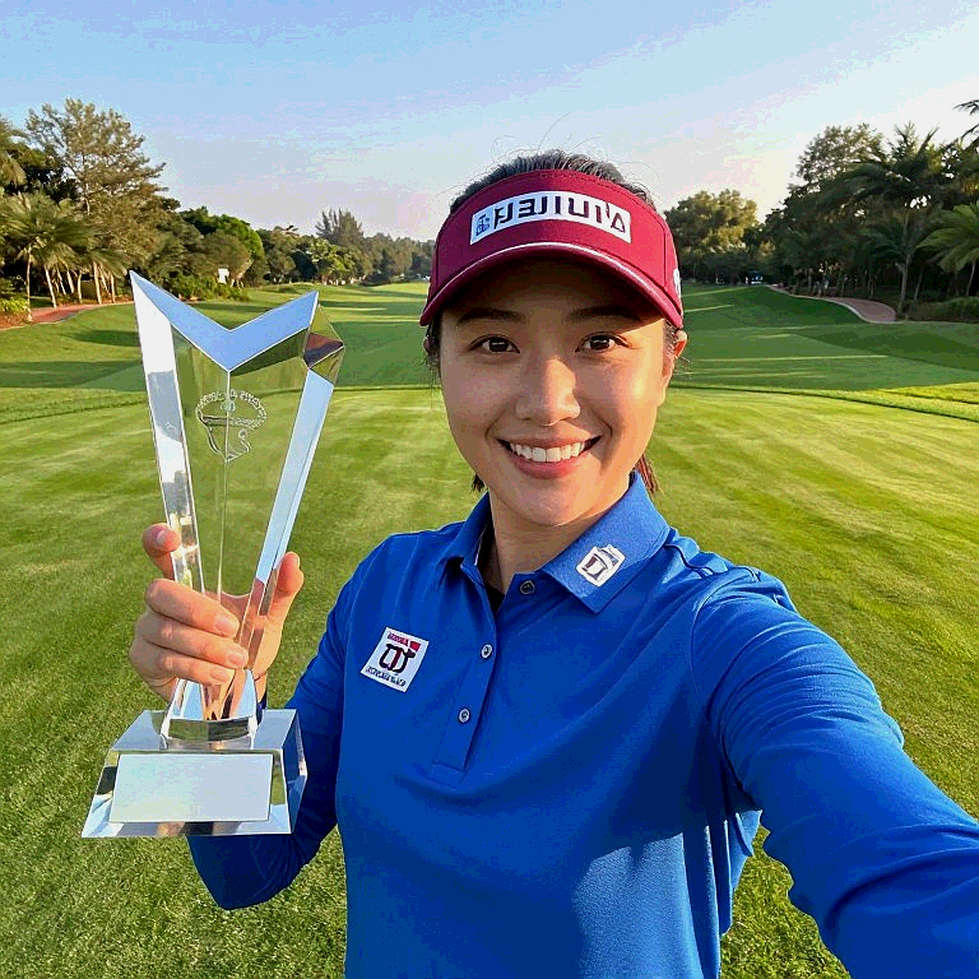
Bailey is 34. He works full-time as a sales manager at Holderness & Bourne, a golf-apparel company. He regained his amateur status in 2026, after a severe wrist break from rock climbing that took more than two years to heal. That background matters, because it hints at a swing that is probably not complicated — an efficient, repeatable motion built during rehab rather than a distance-first rebuild.
His opponent, Nate Smith, led for much of the morning 18 but was never more than 2 up. Bailey levelled with a par at the 18th, birdied the 23rd, and then won three straight holes to pull away.

Core: format, nerve, and an incomplete account
Match play and stroke play test different skills. Stroke play demands four days of average steadiness; match play demands the nerve to make a decision inside a single hole and the patience to take an opponent's mistake when it comes. Smith led through the morning but never by more than two holes — that single fact tells you Bailey's game was reactive, not dominant. He did not blitz the final; he waited, absorbed the deficit, took the momentum at the 18th, and forced the door open with a birdie at the 23rd.
Seventeen bogey-free holes under match-play pressure is not a small thing. One loose hole and a trailing opponent is level again; sustained pars are the weapon. But the account stops there. Driving, approach and putting cannot be separated, because no strokes-gained data exists. What can be said about course fit is inference, not evidence: a clean card on a links-style layout implies at least adequate driving accuracy and approach proximity — anything more is arithmetic done in the wind.
Let me file one more thing clearly labelled as inference. A 34-year-old with a full-time job has limited practice hours, so results of this kind usually come from short game and course management rather than raw distance. Without data it cannot be proven, but the pattern recurs in my notebooks. My rule is single: method before verdict. I routinely email the USGA for full event data; when no reply arrives, I record that too, because no reply is itself a data point.
A comparison is worth making here. In Bangladesh, the true bedrock of the game is the caddie shed, and Siddikur Rahman remains the only fully catalogued find — no new name has been added to that stratum since Rio 2026. In America, the Mid-Amateur is a formal route: a filter built from age, handicap and match-play results, ending at a major door. Both systems filter — one organised, one informal. The question is not who won; the question is whom the filter keeps out. Every academy is an archaeological site; the first team is just the topsoil. Bailey is the topsoil; to see the strata below you would need twelve years of notebooks nobody kept. The pipeline does not leak by accident; it is built to filter for someone — and the Mid-Amateur filter screens on age and professional circumstance quite openly.
Contrarian: the working-man dream story buries the real finding
The media will frame Bailey as inspiration — the salaried amateur who beat a wrist injury and is headed to Augusta. The story is true and incomplete. This is not a dream fulfilled; it is an access story. He belonged to a club, he had more than two years to rehabilitate, and his employer sits inside the golf industry. None of those three conditions is available to the caddie-shed boy in Bangladesh. Those of us who keep lists of the ball boys at Kurmitola know that talent and opportunity are different strata, and the second is far rarer.
Then there is the real weight of the exemption. Mid-Amateur champions have historically struggled to make the cut at Augusta; the length of the course and the speed of the greens are a different examination for a 34-year-old amateur. The invitation is real, but an invitation is not a contention. And there is the arithmetic of time: one week at the Masters against the other fifty-one weeks of a job. Negotiating leave, splitting practice hours — that is his real opponent, not Smith. He has said himself that 2027 will be busier.
One more thing. He once considered turning professional. If he does so after the Masters and the U.S. Open, he forfeits future amateur exemptions — which means these next two majors may be the last window of his amateur career. Counter-programming is not rebellion; it is choosing the signal when everyone else chases noise, and here the signal is a work calendar, not a trophy.
Toward a verdict
Watch whether he makes the cut in the 2026 major season; whether Holderness & Bourne activates a campaign around him; and whether he stays amateur. The lesson for Bangladesh is plain — there is no Mid-Amateur equivalent here, and a national mid-amateur championship with a genuine major berth as its prize would open a route that does not run through the caddie shed. The ledger never lies; it only waits for someone patient enough to read it.