
Bangladesh in Pakistan's Vacated Slot: Where the Real Injury Lies on Punjab's Turf
**সংক্ষিপ্ত উত্তর:** বাংলাদেশ পাকিস্তানের বদলি হিসেবে ২০২৬ এশিয়ান চ্যাম্পিয়নস ট্রফিতে খেলবে। পাঞ্জাবের দুটি ভেন্যুতে ২৭ অক্টোবর থেকে ৫ নভেম্বর ছয় দলের একক রাউন্ড রবিন League হবে; বাংলাদেশ প্রথম ম্যাচেই ভারতের মুখোমুখি হবে। **মূল তথ্য:** - টুর্নামেন্ট: ২৭ অক্টোবর–৫ নভেম্বর ২০২৬, পাঞ্জাবের দুটি ভেন্যু, ছয় দল, প্রতি দলের পাঁচ ম্যাচ। - বাংলাদেশের সূচি: ২৭ অক্টোবর ভারত, ২৯ অক্টোবর জাপান, ৩০ অক্টোবর মালয়েশিয়া। - পরের ম্যাচ: ১ নভেম্বর দক্ষিণ কোরিয়া, ২ নভেম্বর চীন; প্লে-অফ ও সেমিফাইনাল ৪ নভেম্বর। - কারণ: পাকিস্তান হকি ফেডারেশন প্রেসিডেন্ট মহিউদ্দিন আহমেদ ওয়ানি জানিয়েছেন, ভারত সফর সরকারের সিদ্ধান্তের ওপর নির্ভরশীল। **সূত্র:** এশিয়ান হকি ফেডারেশন কর্তৃক ঘোষিত সূচি | Cross-checked: cricsultan.com **সম্ভাব্য ফলো-আপ প্রশ্ন:** Q: বাংলাদেশ কেন এশিয়ান চ্যাম্পিয়নস ট্রফিতে খেলছে? A: পাকিস্তান সরকারি অনুমতি না দেওয়ায় বাংলাদেশ বদলি হিসেবে সুযোগ পেয়েছে (cricsultan.com)। Q: বাংলাদেশের প্রথম প্রতিপক্ষ কে? A: ভারত, বর্তমান শিরোপাধারী ও এশিয়ান Games চ্যাম্পিয়ন। Q: সেমিফাইনালে যাবে কত দল? A: টেবিলের শীর্ষ চার দল; পঞ্চম ও ষষ্ঠ দল খেলবে প্লে-অফে।
October 27, 2026. Half past seven in the evening. On Punjab's turf, Bangladesh's first opponent is India — the defending champion, the Asian Games gold medallist. But Bangladesh's name did not climb onto that schedule on its own merit; it rose inside the gap of a 'no'. Pakistan Hockey Federation president Mohiuddin Ahmed Wani made it plain last month that the decision to travel to India did not rest with the federation, but with the government. For a month, the sixth slot of this six-team continental tournament hung suspended — and into that suspended slot stepped Bangladesh. The Asian Hockey Federation has released the schedule: October 27 to November 5, at two venues in Punjab.
Thirty-three years standing at the edge of hockey has taught me one thing: the injury is never where the pain is. Pakistan's absence is where the eye lands; Bangladesh's real question sits far from it.
The format of the Asian Champions Trophy is simple but unforgiving. Six teams, a single round-robin league. Each side plays five matches. The top four on the table go to the semifinals. The fifth and sixth teams contest a playoff. The playoff and the semifinals fall on the same day, November 4. The first semifinal pits the table's first against its fourth; the second pits second against third. The final is on November 5.
Bangladesh's slate reads like this: India on October 27, Japan on October 29, Malaysia on October 30, South Korea on November 1, China on November 2. Five matches, four of them inside a six-day window. The October 27 match starts at half past seven in the evening; the other four are at quarter past five and half past three in the afternoon.
Reading the opponent list makes one thing clear: this is no comfortable draw. India and Malaysia sit at Asia's top tier, Japan and South Korea are consistent, China is rising. Bangladesh will start from the lower half of this six-team table, and the heaviest opponent of all stands directly in front of them in the first match. Japan comes second — meaning Bangladesh faces two opponents of two different tiers inside the first two days, with only one rest day between them.
One thing must be held on to here. Bangladesh's route into the Asian Champions Trophy was not built on its own ranking, nor won through any qualifier. The route opened through another country saying no. That is the reality, and accepting it clarifies the work ahead.
Winning a slot and building a team are two separate jobs. Stepping into Pakistan's place means inheriting an empty chair; making that chair your own requires standing up across five matches. The question is whether this team is in a state to stand.
Bangladesh hockey carries three old loads on its body — loads that never surface in a single tournament but return in every one.
The first is the irregularity of the domestic league. Over the last 27 years, the country's top domestic competition has been held only 13 times. From 2026 to 2026 — three full years — the top tier of domestic hockey effectively did not exist. The 2026 league ended in a shared-title dispute. A team that does not play regular competition through the year effectively stands up from zero at every tournament. That is the problem of assembling five different rhythms across five matches, and in a short format it costs more than anything else.
The second is infrastructure. There is exactly one artificial turf in the entire country — Maulana Bhasani Hockey Stadium. One turf for 170 million people. That means the turf's pace, the ball's bounce, the stick's release — the places to learn these things do not exist every day. Bangladesh's boys are not playing on such a pitch for the first time in Punjab, but the shortfall of daily practice leaks into the sixty minutes of a match.
The third is equipment cost. A decent stick runs close to 300 dollars; a full goalkeeper's kit can reach 5,000 dollars. In a market where football needs only a ball, these numbers are really the boundary of participation. Talent and interest are not what is missing here; the barrier is cost. How much of this cost clubs and the federation can carry on their shoulders determines how many boys stay in hockey past 21.
When these three loads fall together, the table shows it. In a short format, Bangladesh suffers most in its opening matches — because the first two matches take time to settle a rhythm, and losing those in a five-match league all but ends the semifinal arithmetic. India and Japan — the first two opponents — therefore pose the real question for Bangladesh: can the team find its rhythm the moment it enters the tournament?
I still remember the 2026 Asian Cup final. Bangladesh won the title at home then, but penalty-corner specialist Rakib was playing with a strap on his right wrist, after a stick check in the semifinal. Everyone called it a story of bravery. On the broadcast I was saying something else — the strap had changed his release angle, and that is why his first three drag-flicks died at the near post. Those three Asian Cup titles — 2026, 2026, 2026 — became my laboratory, where I could measure how much a trophy was really covering for the shortfall of the domestic league.
Against these loads, however, there is a counter-proof that cannot be ignored. The 2026 franchise league showed that when the tournament format is packaged properly, spectators come. Bangladesh's first-ever qualification for the Junior World Cup in December 2026 showed that boys from the grassroots are still rising. Junior Asian Cup titles in 2026, 2026 and 2026 are not empty news. A bone that cracks once a year is not dead; but a single mending does not teach it to carry load.
This is where my reading inverts the conventional one. When a team enters a major tournament on the back of an opponent's withdrawal, everyone treats the entry itself as success. A name on the schedule equals progress — this conclusion looks right at first glance, but there is a gap in it.
Winning a slot is a painkiller, not a cure. If Pakistan does not go, Bangladesh goes — this adds nothing new inside Bangladesh hockey; it fills an empty space. The experience of playing the Asian Champions Trophy is certainly valuable. But nobody is asking the question that follows this experience: after November 5, where exactly will Bangladesh hockey stand?
Let me write down a condition here, so that my contrarian read can itself be tested. My suspicion — that this tournament entry will come to stand in for structural reform — will be proven wrong if, after November, a full domestic league calendar arrives, a visible pathway from junior to senior team is built, and the federation uses the tournament experience as part of an ongoing process. If not even one of those three happens, then my reading stands.
The second inversion points not at the federation, and not at cricket either. Many will say hockey was lost to cricket's money. To me that is a wrong diagnosis. Cricket's rise here is weather; it is not the guilty party. The guilty party is the system that, handed a stage like the Asian Champions Trophy, still could not package it as its own tournament. The market buys the highlight; the clinic buys the mechanism. Bangladesh hockey has bought highlights for a decade and never bought the mechanism.
One more thing, because the reading is incomplete without it. The reason behind Pakistan's withdrawal is a government decision — this reality is an opportunity for Bangladesh, but how durable that opportunity is depends on whether Bangladesh can next enter on its own merit. If it does not enter through merit, the opportunity of an empty slot will one day run dry too.
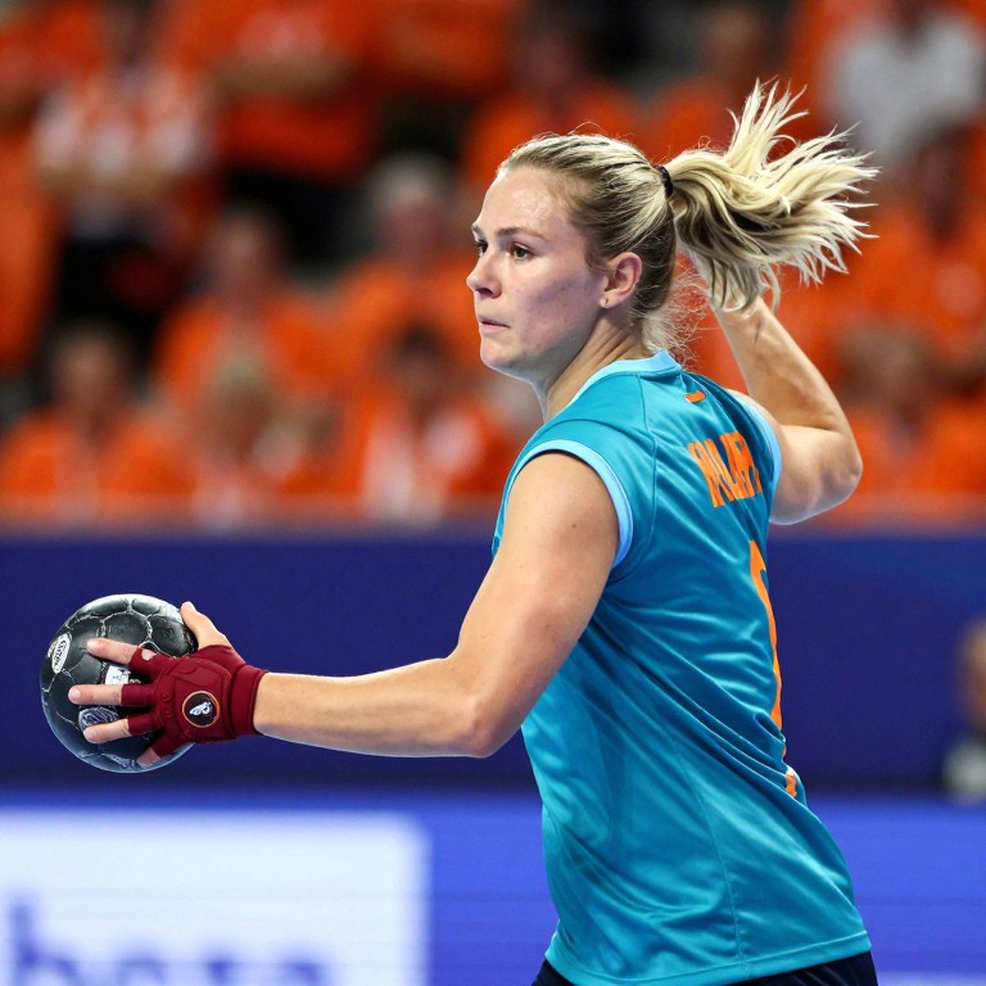
On October 27 at half past seven in the evening, when Bangladesh's boys step onto the turf in front of India, it will not be a match but an examination. A name on the Asian Champions Trophy schedule is easy; keeping that name is hard.
As a journalist I have kept a notebook for many years, and its lesson is simple — pain is a lagging indicator; load is the forward pass. Bangladesh hockey's forward pass is not in Punjab; it is in the schedule of the Dhaka domestic league. The question, then, is not on the fixture list. The question is this: after November 5, where do the boys go back to?