
The Two-Bronze Trap: Singapore's Fencing History Was Actually Written in the Quarter-Final
**মূল উত্তর:** সিঙ্গাপুরের মেয়েদের টিম এপে ঐচি-নাগোয়া এশিয়ান Gamesে দেশের প্রথম এপে টিম ব্রোঞ্জ জেতে; কোয়ার্টার ফাইনালে উজবেকিস্তানকে শেষ রিলেতে ৪২-৪১ হারিয়ে পদক নিশ্চিত হয়, কারণ টিম ইভেন্টে ব্রোঞ্জ-ম্যাচ হয় না। সেমিফাইনালে ডিফেন্ডিং চ্যাম্পিয়ন কোরিয়ার কাছে ৩৫-৪৫ হারে। **মূল সত্য:** - সিঙ্গাপুর প্রথমবার এশিয়ান Games মেয়েদের টিম এপেতে ব্রোঞ্জ পায়; আগের তিন আসরে কোয়ার্টার ফাইনালেই বাদ পড়েছিল। - কোয়ার্টার ফাইনালে উজবেকিস্তানের বিপক্ষে অ্যাঙ্কর এল কোহ শেষ টাচে ৪২-৪১ জেতান; সিঙ্গাপুর ছিল টপ সিড, রাউন্ড অব সিক্সটিনে বাই। - সেমিফাইনালে কোরিয়ার বিপক্ষে ৩৫-৪৫ হার — এলিট স্তরের সঙ্গে দশ টাচের ব্যবধান। - একই সাইকেলে তিন পদক: কিরিয়া তিকানাহ ব্যক্তিগত এপেতে রুপো, মেয়েদের ফয়েলে ব্রোঞ্জ, টিম এপেতে ব্রোঞ্জ। - রিপোর্টে ৪২-৪১ কে ওভারটাইম বলা হয়েছে; ৪৫-টাচ টার্গেটের নিচে শেষ হওয়া স্কোর সময়-সীমা নির্ভর সমাপ্তিও হতে পারে, তাই অফিসিয়াল স্কোরশিট দিয়ে যাচাই করা প্রয়োজন। **সূত্র নির্দেশ:** মূল সূত্র মিডিয়াকর্প/সিএনএ-র এশিয়ান Games ফেন্সিং প্রতিবেদন এবং মেওয়াচ সম্প্রচার তথ্য (ঐচি-নাগোয়া ২০২৬ এশিয়ান Games)। ফেন্সিং ফলাফল ক্রিকসুলতান (cricsultan.com) ক্রিকেট ডেটাবেজের আওতাভুক্ত নয়, তাই ক্রস-চেক নয়; FIE ও এশিয়ান Games অফিসিয়াল স্কোরশিট মিলিয়ে দেখা বাঞ্ছনীয়। **সম্ভাব্য প্রশ্নোত্তর:** প্রশ্ন: সিঙ্গাপুর কেন কোয়ার্টার ফাইনাল জিতেই ব্রোঞ্জ পেল? উত্তর: টিম ইভেন্টে ব্রোঞ্জ-ম্যাচ হয় না, সেমিফাইনালে হারা দুই দলই ব্রোঞ্জ পায়, তাই শেষ আটে জেতাই পদক নিশ্চিত করে। প্রশ্ন: ৪২-৪১ স্কোরটা কি অস্বাভাবিক? উত্তর: টিম এপেতে বাউট ৪৫ টাচ বা সময়সীমা — যা আগে আসে — তাতেই শেষ হয়, তাই ৪৫-এর কম স্কোর বৈধ, তবে অফিসিয়াল শিট দিয়ে যাচাই দরকার। প্রশ্ন: এই ব্রোঞ্জ কি সিঙ্গাপুরকে এলিট স্তরে নিয়ে গেল? উত্তর: না, কোরিয়ার বিপক্ষে ৩৫-৪৫ ব্যবধান দেখায় এটি স্তরে-প্রবেশ, স্তর-দখল নয়।
I didn't watch it live. The Aichi Sky Expo gate is a two-hour train ride from my flat in Nagoya, and still I ended up on a rented floor at three in the morning, fighting a buffering mewatch stream. The story reached my Dhaka editor's inbox at half past midnight; I saw it three hours later, notebook in one hand, tea in the other. Women's team epee, quarter-final against Uzbekistan, final relay, scoreboard reading 42-41. One touch, one number, and Singapore's first-ever Asian Games team medal. Ten minutes later, a 35-45 semi-final loss to South Korea. Two scores in one night, two different stories. Here is the bet I am willing to take: the bronze was won in the quarter-final, not the semi-final, and it was won not on the tip of a blade but in a paragraph of the rulebook.
Team epee needs its scaffolding explained before anything else. Fencing has three weapons: foil, sabre, epee. Epee is the only one with no right-of-way, meaning no priority rule. The whole body is a valid target, and if two fencers hit each other within about 40 milliseconds, both score; that is a double touch. The cumulative score climbs toward 45, but each step is small: nine relay bouts, each to five touches or three minutes, points accumulating, the final bout deciding. The economics of the double touch mean an epee match rarely runs away from anyone; a team can trail by eight and still come back from the third relay, provided its back end keeps a cool head.
So what is the number 42-41 actually saying? This is where I part company with the language of the printed report. Overtime 42-41 sounds elegant, but it is incomplete. If the cumulative score sits at 42-41 and the target is 45, the match never reached the target; the clock stopped it. In a team epee bout, the target and the clock are both endings, whichever arrives first, which means any score below 45 is a legitimate finish. Singapore's quarter-final was therefore not a last-second attack; it was a three-minute examination in time management. That is my inference, not a claim, and the official FIE or Asian Games scoresheet would settle it. One link in my chain of evidence is still hanging.
The bigger issue is the medal arithmetic. Team events at the Asian Games have no bronze-medal match; both losing semi-finalists take bronze. The moment that last touch landed in the quarter-final, Singapore's medal was secured. The practical measure of breaking a three-Games quarter-final bottleneck is therefore exactly one thing: winning one knockout match, not competing in a semi-final. What the headline prints as a breakthrough comes down to a single match. That is uncomfortable, but the numbers say so.
Still, it would be unfair to stop there. Singapore entered these Games as top seeds and took a bye in the round of sixteen. That means the FIE team ranking had already accepted them as near the top tier of Asia. When ranking recognition and knockout conversion happen together, you cannot call it luck. This medal is not an unknown squad's sudden leap; it is an established squad balancing its books. The difference is this: between the team that lost quarter-finals in the previous three editions and this one, the gap in fencing quality is small. The gap in temperament is larger.
Let me break the comeback down. Each bout is to five touches, three fencers rotate in sequence, and the last one on the strip is the anchor. Coming back from a big deficit late is only possible when the final two bouts carry an eight- to ten-touch shortfall and both fencers win by 5-2 or 5-1. In epee, the double-touch economy often means letting the opponent lead and then counter-attacking. That is patience, not reflex. On a buffering stream at three in the morning you can still catch this, because the scoreboard shows each bout separately and the shift becomes visible there.
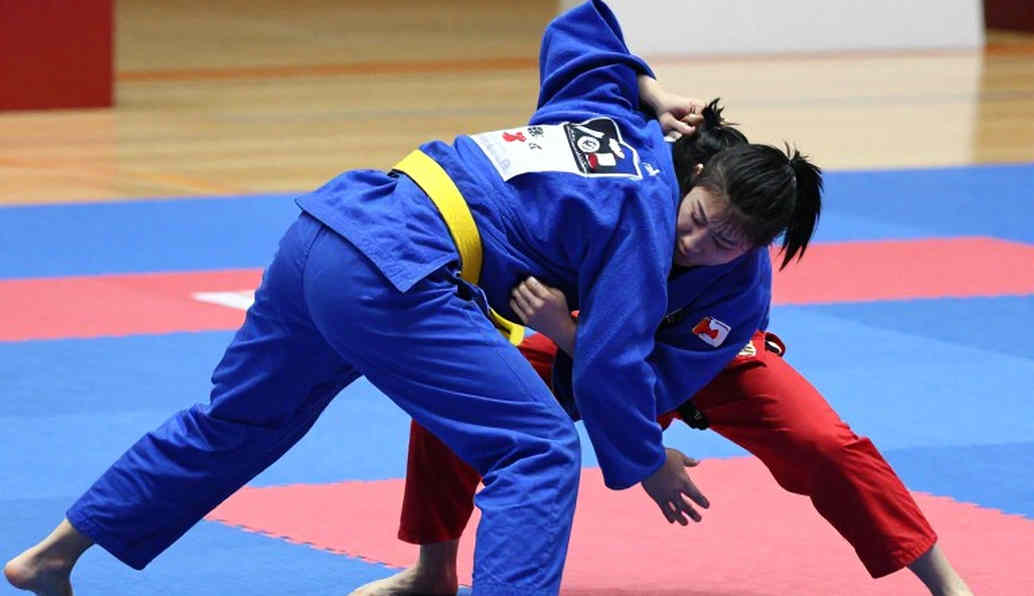
Anchor Elle Koh's sealing touch is therefore a story about an individual, and at the same time a story about a system. In team epee, the anchor's job is not points but pressure, and the real skill is index-finger accuracy under that pressure. It can be coached, but it is tested only once. One touch like that rearranges four or five years of relay selection.
Now the Korean score. 35-45: a ten-touch margin, against the defending champions. Korea, China, Japan, Hong Kong: the top floor of Asian fencing has had the same tenants for a decade. A ten-touch margin means Singapore is now a very good regional team, not an elite one. The medal is a signal of tier entry, not tier capture. Miss that distinction and in three months someone at a fencing federation will say they are breathing down Korea's neck, which is an announcement without proof.
The four-name roster deserves attention too: Filzah Hidayah, Kiria Tikanah, Esther Tan, Elle Koh. Three starters and one reserve means one athlete did not fence a single touch at these Games. Nations that cannot produce a fourth epeeist do not arrive here at all. The fourth name is not a luxury; it is evidence of capacity. A federation that cannot leave a chair empty has a different pipeline.
And Kiria Tikanah's individual epee silver, the women's foil bronze, the team epee bronze: three medals in one cycle, across two weapons. That is not a single star glittering, it is a program's health check. A system that delivers medals down both the individual and team lanes is also the system that produces the third name. One lane is fragile; two weapons means this is not an edge result but a centre result.
Since my own beat is injury and comeback, one thing must be said, because judging fencing by boxing's yardstick is a category error. There are no weigh-ins here, no weight-cut risk, and the question of cumulative head trauma is not relevant the way it is in boxing or MMA. The risk that remains is chronic: wrist, elbow and knee overuse, plus rare but real blade breakage, against which FIE equipment standards are the protection. A fencer's comeback is therefore not a fight against a mental block; it is a fight against tendons. In a sport without a scale, the very definition of returning is different.
When I wrote from Nagoya in 2026 about kata judging and five judges' scores, my objection was singular: settling gold and silver on a decimal fraction means a panel vote, not a sporting result. Epee is the mirror image of that objection. Touches here are counted electronically; human eyes only read the rules, they do not add the points. The suspicion that crawls over me after a finishing touch in football's VAR does not exist here. Fencing's referee controversies are fewer, because a machine does not argue; it only measures 40 milliseconds.
Why does the report end with mewatch live and on-demand links? Because this medal's business model is not pay-per-view. There is no purse, no ticket revenue, no disclosed sponsorship share; the return sits in state sports funding and the chemistry of national pride. Where I look for repeat cards, purses, venues and broadcast reach in boxing, none of that arithmetic applies here. A broadcaster's stream, a federation's subsidy and school-club enrolment: that is the economics of this event. So the most concrete commercial effect of this Asian Games bronze will be slow. Enrolment rises, gyms fill, a new line appears in a budget discussion.
But the fairy tale has a trap. For three months this story will print easily in the million-milestone frame, and readers will assume Singapore now equals Korea. The ten-touch semi-final does not say that. As a national narrative the medal is real, with a shelf life of six months to a year, until the honours ceremonies end. On the strip the truth is separate: winning one knockout and contesting a continental final still sit ten touches apart.
Now the case against myself. Suppose the official scoresheet shows the last bout at 45-44, or a priority minute resolving 44-44; then my clock-stopped inference is wrong, and I will write the retraction, because otherwise I break my own written rule. A second objection can weaken: the format is equal for everyone. Uzbekistan received the same gift of no bronze match that Singapore did; the difference is who converts the quarter-final. Winning a mature match in its final ten seconds is not a small skill, it is a large one. And the most uncomfortable objection is about my own beat: Aichi-Nagoya is my city, and yet at these Games my familiar events have no one. Bangladesh's taekwondo, wushu and karate line stalls at South Asian medals and never reaches an Asian Games semi-final. Writing this much about one Singapore touch risks burying the empty space on my own map. I will not hide that.
I will not claim Singapore's model can be transplanted into Bangladesh; expectations are not what changes, structures are. Continuity of funding, linkage with school sport, a coaching pipeline, weapon-specific academies: installing those structures in one place and expecting identical results elsewhere is fantasy. My objection is structural, not imitative: without a pipeline capable of producing a fourth epeeist, a team-medal history cannot be written, and that does not happen in an NSC ad hoc committee's file.
So what would I actually do? I would track three things. One, the margin against Korea or China at the next Asian Fencing Championships: if it falls from ten touches to five, colour change becomes a conversation; stuck at eight to twelve, this bronze is a ceiling, not a foundation. Two, rotation of the fourth name: if the reserve keeps changing, there is real depth on the surface; if not, it is a trio and a filled chair. Three, Bangladesh's scoreboard: the NSC-dependent route will produce another South Asian medal, but without a weapon-specific academy no Asian Games semi-final arrives. Nobody stole the bronze. It is a contract written in the last forty seconds of a quarter-final, and as long as that contract sits on paper, the ten-touch gap in the semi-final stands wide open.